CSEP conducts in-depth, policy relevant research and provides evidence-based recommendations to the challenges facing India and the world. It draws on the expertise of its researchers, extensive interactions with policy makers as well as convening power to enhance the impact of research.
Our researchers work across domains including, but not limited to, Growth, Finance & Development; Energy, Natural Resources and Sustainability; and Foreign Policy and Security. All our research and policy recommendations are freely available to the public.
CSEP is based in New Delhi and registered as a company limited by shares and not for profit, under Section 8 of the Companies Act, 2013.
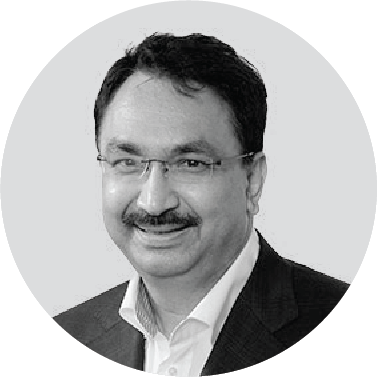
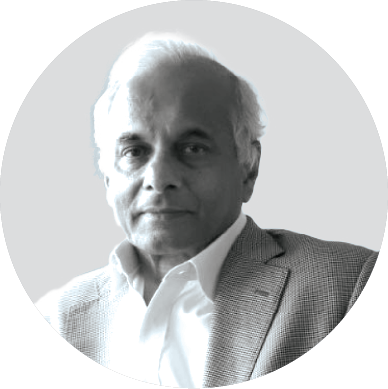 Vikram Singh MehtaIf there is one message that Covid-19 and COP 26 have passed onto all of us, it is that the world cannot solve planetary problems without harnessing the expertise and talent of every segment of society within and across national boundaries. The Covid vaccine was developed in record time because governments, corporates, scientists and civic society cut through narrow ascriptive identities to combat the virus. Ambitious rhetoric may have exceeded the finally agreed communique for action in Glasgow but no one left the conference with the illusion that global warming could be tackled by any one entity. It is against this imperative of collaborative effort that our think tank (and indeed all think tanks) should see its role. In the larger scheme of things, this role may appear inconsequential but to misquote the sentiment expressed by Edmund Burke, the British political philosopher, it would be the greatest mistake for anyone to do nothing just because it felt it could do so little.
CESP has operated virtually for the duration of its young existence. Notwithstanding, it has successfully influenced the debate and policy on issues that fall within its domain of expertise and are of contemporary policy significance. Thus, its papers on energy and environment. Our Distinguished fellow, Montek Ahluwalia may have been amongst the first to suggest that India announce a net zero target year of 2070. Thus, our seminars on fiscal policy management were led by our Distinguished fellow, Anup Singh. Thus, the various papers and seminars on India’s security and foreign policy challenges were steered by our Distinguished Fellow, Ambassador Shiv Shankar Menon. Many more papers, seminars and briefing notes have been produced by our scholars, all with the intent to impact through analytically rigorous and empirically solid research the direction of public policy.
CSEP owes its existence to members of its Founders Circle and its Board. But more than anyone else, it owes its greatest debt of gratitude to Rahul Bajaj. As the founder Board Director, Rahul Bhai has helped steer the Centre through its initial teething phase. His insightful advice, continual encouragement and generous financial support have been the inspirational bulwarks of CSEP. Earlier in the year, Rahul Bhai decided to step off the board because of age and health. He will be sorely missed. I personally cannot thank him enough and I pray for his good health and long life.
One “known known” is the landscape of future policy will continually change. And, therefore, to remain relevant and impactful, CSEP will have to attract the best and brightest of scholars across multiple research domains. A crucial enabler will be sustained philanthropic support. Hitherto, CSEP has been fortunate in its donor community. They have supported CSEP through the uncertainties of Covid and I am most grateful. CSEP does not however have a revenue model and it must therefore cut its research cloth to fit its financial frame. The task ahead is to enlarge this community. My focus in the coming year will be on achieving just that.
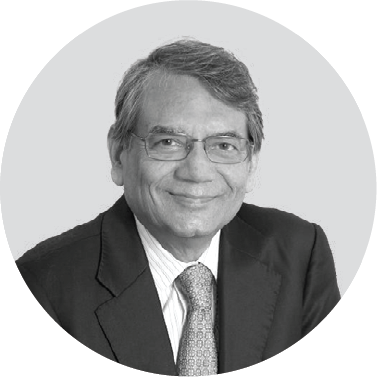 Rakesh MohanWe have now completed one year as the Centre for Social and Economic Progress (CSEP) in what I would regard as a very successful transition from the Brookings Institution India Center. We have been able to do this despite the handicap of operating on a virtual basis, like everyone else, since we were not able to open the office over this whole period due to the Covid-19 pandemic. It is remarkable how everyone has adapted to the Work from Home (WFH) mode with alacrity, and all our teams managed to work together successfully. Although we in India suffered a devastating second wave in early to mid-2021, with the continued roll out of the government’s vaccination programme we can now be cautiously optimistic that we will achieve some degree of normalcy in 2022. Accordingly, in CSEP, we plan to welcome the new year by opening the office.
Last year, I laid out our overall vision for CSEP as a credible and dependable policy research institution whose motto is guided by Independence, Integrity, Impact. We have endeavoured to live up to this guiding principle, by strengthening our faculty at all levels, and expanding and deepening our research work. It gives me great satisfaction that we have made decent strides on a number of those areas and are committed to developing them further in the coming years.
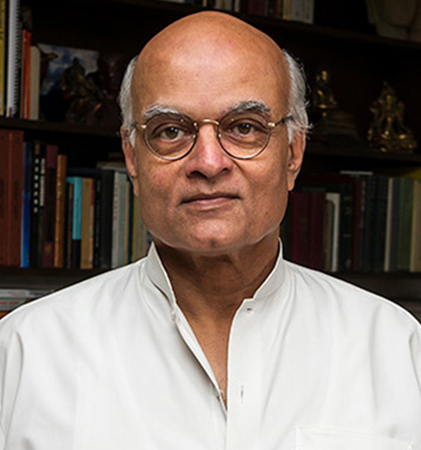
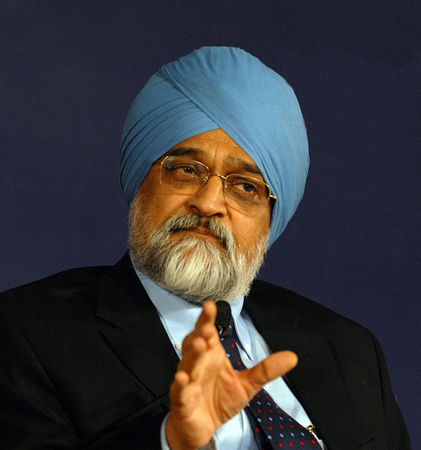
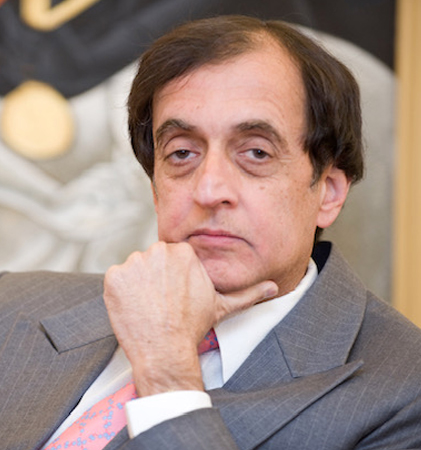
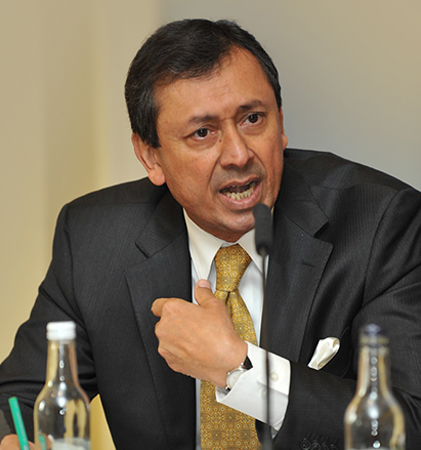
We have continued to build our faculty of scholars of globally recognized distinguished fellows, who have done much to provide guidance and thought leadership in their respective spheres. Jaimini Bhagwati joined the existing group comprising Shivshankar Menon, Montek Singh Ahluwalia, Anoop Singh and Vikram Mehta, each of whom have contributed greatly to the intellectual vibrancy of the institution and helped in outreach through anchoring or contributing to a series of high-profile flagship webinars. Each of them is also active in the public media through regular thoughtful op-ed articles and appearances in influential visual media. We have also succeeded in strengthening our research team of senior fellows and fellows along with the addition of younger research scholars. As we build further, we continue to look out for bright and passionate researchers at all levels who want to do policy relevant research on topics of national importance.
Building on the recommendations of the 15th Finance Commission (FFC), our work on fiscal and financial stability focuses on understanding the workings of Indian federalism, its linkage with expenditure efficiency, particularly in the context of health care and other aspects of human capital. Our work reiterates the importance of adopting global best practices to improve India’s public financial management (PFM) policies, processes and systems. We are also examining the fiscal marksmanship record in the state budgeting process.
Maintenance of sustained fiscal stability needs broad based reform of our financial sector, which has suffered significantly from the emergence of very high levels of non-performing assets (NPAs) over the last decade or so. This has also had fiscal spill overs arising from the need to re-capitalise many of the public sector banks and led to a significant slowdown in credit growth, contributing to the decade-long broad economic slowdown. Accordingly, our work is focused on gaining a deep understanding of the trends, magnitudes and origins of these NPAs and of the working of the new bankruptcy regime for their resolution. This will provide guidance for future work on growth promoting reform of the financial sector.
Sub-national economies represent a new priority area for CSEP. They are expected to drive 50-60 percent of all reforms in key areas like land, labour, power, agriculture. Given the paucity of data and lack of research at a sub-national level, it’s imperative that we ask and answer some fundamental questions for informing policy discourse. Our work spans multiple strands: ranging from understanding property rights and their impact on housing availability; assessing spend efficiency at the urban local body (ULB) level; deciphering the differentiated patterns and drivers of state growth, based on endowments, starting points, and other differences? Going forward, we intend to make a big push to work with relevant stakeholders at the local, state and central levels to help push the needle on thinking and policy making.
The acceleration of sustained economic growth in India over the next couple of decades will need a much higher focus on all aspects of human development, which have been neglected throughout our development history. India remains considerably behind most middle and some low-income countries on key human development indices, with low levels of health, nutrition, and educational attainment. Identifying policy pathways, from both a welfare and an economic lens is the focus of CSEP’s work over the next few years. The aim is to locate health, nutrition and education in the country’s economic, fiscal and financial policy landscape as has also been emphasised by the 15th Finance Commission. Our work will also focus and build on existing policy aimed at strengthening state capacity and overall systems that build human capital. We believe that the context of India’s mixed systems, low systems capacity, and a federal state have particular relevance to the advancement of human capital, and accordingly these constitute the focus of our scholarship for the next three years, including at the sub national levels.
This is one crucial area where we are yet to initiate our work programme. The slowdown in economic growth over the last decade has mirrored that in industrial and export growth, which has also slowed overall employment growth. Robust manufacturing growth is not feasible without the emergence of good-sized high productivity firms that are competitive in global markets, and which are also essential for efficient import substituting growth in the domestic economy. The ability to utilise the demographic dividend that the country still enjoys over the next couple of decades requires building robust labour using manufacturing coupled with labour skilling and redeployment. CSEP therefore plans to initiate a research program covering these key issues in manufacturing, trade, and employment generation.
With the convening of COP 26 in Glasgow, and all the work that led up to it, consideration of climate change issues now needs to pervade almost all areas of public policy. Accordingly, climate change considerations inform much of our work across different verticals. While India has publicly committed to a range of actions and targets related to both mitigation and adaptation, much needs to be done on the implementation front. CSEPs work on energy and mining addresses many of these issues, but there are challenges across many more dimensions as well.
One of the core challenges of transition lies in the financing of green energy, in both the public and private spheres. As our work on fiscal and financial issues progresses, we will assess the financing needs and methodologies needed to address climate change. The transition from a fossil fuel driven economy to that driven by renewable energy and clean mobility will also create new challenges on the fiscal front as well, since a significant share of government revenues are derived from fossil fuels. Furthermore, agricultural productivity will be affected by global warming and associated increase in the frequency of extreme weather events, for a range of food and non-food crops. CSEP seeks to better understand the pathways of these changes and decipher how policy might better address these transitions.
The energy transition and social contract are key aspects of energy policy not just in India, but also worldwide. The challenges thrown up by climate change concerns will impact the power sector most deeply in the coming decade and beyond. Our COP 26 commitment to source 50% of our power needs from renewables is the most immediate objective that needs to be achieved, within the framework of increasing demands arising from the need for accelerated economic growth. Our upcoming work builds on research undertaken in the previous years which covered issues of technology choices including bridge fuels, deep decarbonisation through the phasing down of coal accompanied by renewable investment, and instruments for fostering change including finance and regulation. Our work examines the systems and frameworks for sustainability across all three dimensions - environmental, economic, and equity - covering aspects of supply, demand, pricing, innovation, regulations, and market frameworks.
Expanding a vibrant non-fuel mining sector is necessary for providing essential raw materials for manufacturing industries and employment opportunities across the economy, while adding fiscal gains for state governments. However, all this must be done in a framework that is consistent with climate change concerns. CSEP is intensifying its research programme in non-fuel minerals and mining in India, an area that has not received much research attention otherwise. Given its commitments to climate change mitigation and adaptation, India needs to ensure its mineral security for the future of clean energy generation, electric vehicles, and high-tech manufacturing. In addition, many of the districts in the country with significant mineral resources are inhabited by some of the poorest communities, and the development of mining could help bring in jobs and wider social development. The work programme seeks to impact government policies that enable sustainable growth of the non-fuel mining sector in alignment with the welfare of affected communities and environmental protection.
India’s ambitious developmental objectives at home are increasingly dependent on skilful navigation of a complex and challenging regional and global environment. Deepening power rivalries and efforts to protect markets, securitise resources or control supply chains are shaping a new world order. This requires informed judgements to take critical foreign policy decisions, whether on trade, energy, climate, health or infrastructure.
At CSEP, our work in foreign policy examines the many challenges and opportunities of India’s external engagements, especially through partnerships with Japan, the European Union, Australia, Southeast Asian states and other middle powers. While India’s relations with China are unlikely to return to the past bonhomie, and the partnership with the United States remains on a convergent path, there is much India can do elsewhere.
While it needs to focus on its immediate South Asian neighbourhood, and to intensify its Act East policy, it also needs to find a modus vivendi to engage with China productively in the economic sphere. In South Asia, with Nepal, Bangladesh and Sri Lanka, India is intensifying its infrastructure connectivity and development cooperation initiatives amidst growing competition from China.
Further, the Bay of Bengal continues to divide, rather than bridge India and Southeast Asia. India’s decision to remain out of the Regional Comprehensive Economic Partnership has left a bitter sense of disappointment across the region. It has reinforced the perception that the Indian subcontinent is growing apart, not together with the rest of Asia. The idea of the Indo-Pacific has progressed mostly in the defence and security realms, leaving the economic cooperation pillar as the weakest link in India’s “Act East” policy.
Our foreign policy research agenda at CSEP will continue to expand Eastwards, identifying opportunities for India to secure its economic and security interests through regional partnerships and interdependence. We will also continue to focus our research on finding new ways for the Indian state to expand its institutional capacity to pursue its foreign policy objectives in a rapidly changing world.
As we focus our work on the fiscal and state capacity issues surrounding the delivery of essential public services, CSEP is very cognizant of the vibrant civil society that exists in the country, and which provides a whole variety of services in a very decentralised framework.
The last decade has been tumultuous for Civil Society Organisations (CSOs) in India. Their funding context has gone through a sea change as the Companies Act, 2013 made Corporate Social Responsibility (CSR) mandatory for all companies that meet certain criteria. We have completed a study designed to comprehend the actual shifts that have taken place and assessed the overall experience of the for-profit and not-for-profit sectors working together. We also assess how the theory and practice of governance, and its impact in the social sector, have changed in this decade.
We are now building on this work to reflect more broadly on the many examples of hugely impactful interventions that have been made by civil society organisations. What were the ingredients of these successes? Are the successes scalable? Might these learnings provide insights for a new developmental model? CSEP proposes to bring out an edited volume that looks back at 75 years of social action in India and present a compendium of some of the most significant success stories from these decades to thereby shift the larger social conversations from failures to successes.
We are looking forward to brighter 2022 for the world as a whole than the two years gone by. At CSEP itself we hope that Omicron will not disrupt the buzz of new interaction, discussion and argumentation that we expect to encounter as we all meet in person.
Amid the pandemic, CSEP has made great steps in expanding our reach and conducting policy relevant research on topics of national importance. Guided by our motto of Independence, Integrity and Impact, CSEP has produced key research in climate change, mining, growth and development, and foreign policy. We take a look at some of the highlights from the year 2021.
Health has rarely made it to being a key policy agenda, possibly because of the contestation in the policy and priority making process across competing priorities in the country.
At the Centre for Social and Economic Progress, we place a strong emphasis on disseminating our research, ensuring that our findings reach the right stakeholders at the right time, and in the right format. We publish long-form Reports, Impact Papers, Policy Briefs, Discussion Notes and Blogs which offer new research, context and background and giving concrete recommendations on a variety of policy issues.














The time is now right for India to aspire to further elevation of its growth trajectory to the next level. A reorientation of policy will need enhanced government expenditures in both public investment for public goods and services, and for the provision of universal basic services.
Our work under the Growth, Finance and Development domain emphasises an accelerated and inclusive economic growth path for India. This includes analysing ways to improve macroeconomic policy, international trade and investment, public finance, infrastructure, sub-national economies, urban development and key human development sectors such as health and education.
Our work focuses on aspects of India’s fiscal federalism, public spending across different levels of government, and the pillars of the underlying fiscal architecture. We also worked on their broader implications on issues such as regional inequities, migration, and human capital. These matters assumed a renewed urgency this year in light of the Covid-19 pandemic.
Our output on these issues mainly took the form of published research and seminars. Our research was inter-disciplinary, comparative, and action-oriented, and was published in different platforms including as CSEP Discussion Notes, the Indian Public Policy Review journal, and in popular media such as The Hindu and The Print.
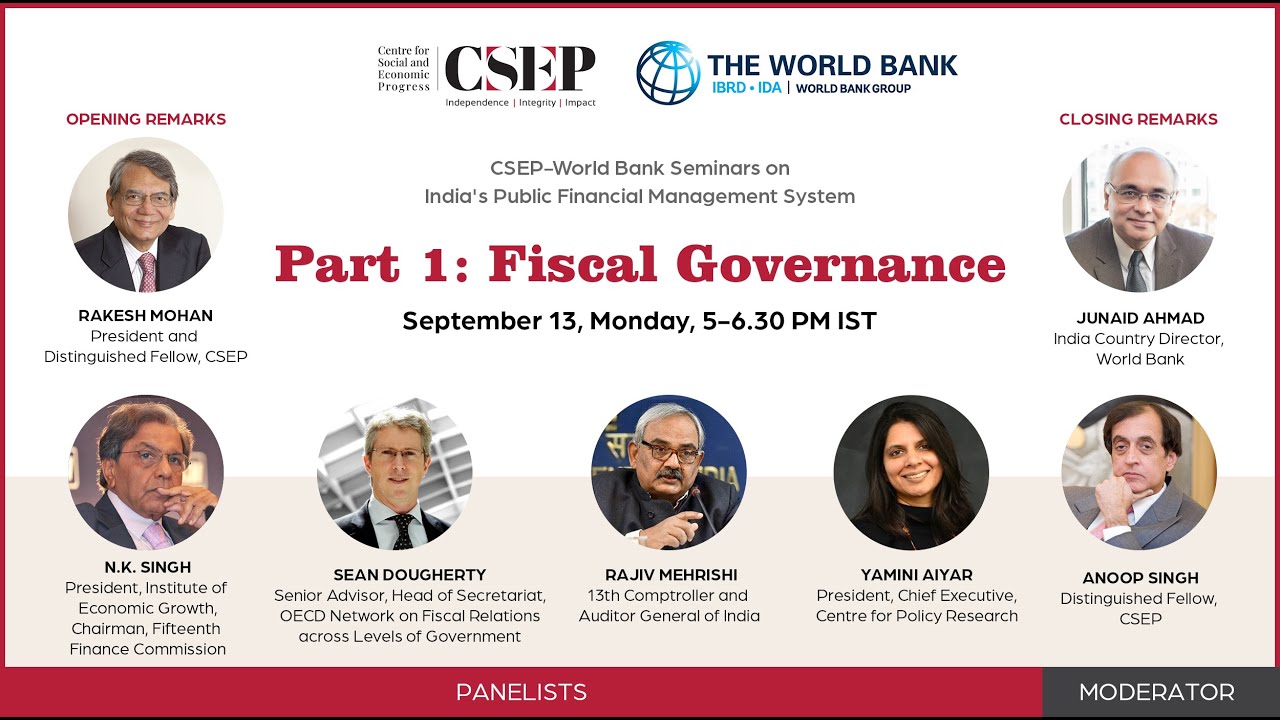
CSEP convened several discussions and seminar series on this subject. We started the year with a Flagship Seminar Series on India’s public finances. In September 2021, we held the CSEP-World Bank Seminars on India’s Public Financial Management (PFM) System – Post-Covid-19 need and opportunities for reforms. Fiscal stability requires financial sector reform and our forthcoming work focuses on understanding the origins and magnitude of non-performing assets and bankruptcy regimes.
Local governments have a key role to play in pushing India’s development journey. According to some estimates, states can spearhead about 60 percent of all reforms in critical areas like land, labour, power that are needed to accelerate growth. This is a key priority area for CSEP, and we plan to study multiple dimensions of this issue.
This year, we brought out two key reports: one analysed the role of funding as a binding constraint in efficient delivery of public services, the other looked at the close linkages between access to amenities in slums and their notification status, which has implications for health outcomes. Going forward, we aim to bring out original analysis that looks at how news coverage of land conflicts gives primacy to urban conflicts over rural ones. Our other work examines the fundamentals of urban price trends and an ambitious study to understand the drivers and patterns of states’ growth.
CSEP has embarked on a research agenda that highlights the importance of building human capital and identifies possible pathways to strengthening systems that can build human capital. This work is aimed at informing policy India’s growth strategy through positioning human development as a key contributor to India’s growth trajectory, ensuring a disaggregated focus on gender and other identities.
Our research work analyses the political determinants of improved health outcomes, making a case for political attention to healthcare, examines NFHS 5 data and its emerging implications, and will delve further into understanding the motivation of leaders and policymakers in prioritizing health.
That substantial emission reduction is possible. The studies suggest that India could peak its emissions in the next decade and get to net zero sometime between 2065 and 2070.
The Energy, Resources & Sustainability vertical at CSEP is dedicated to conducting comprehensive research on India’s energy potential and requirements. Our work centers on the study of coal, natural gas, minerals, power sector, renewable energy, electric vehicles, and climate change in India. Our objective is to advance impactful research that helps understand India’s energy needs while being mindful of the environmental concerns around it.
The many aspects of a just transition from fossil fuels to renewable energy are a major thread of effort and activity at CSEP. The research work intersects with studies on energy choices and supply options.
This year, we launched our landmark book on the future role of natural gas in India, The Next Stop: Natural Gas and India's Journey to a Clean Energy Future. The book lays out a comprehensive roadmap for India’s natural gas sector. Another key paper on Challenges for natural gas to become India’s bridge fuel: Economics, availability, and alternatives examined the scope of natural gas as a bridge fuel in India.
Building on our previous work on coal, our scholars brought out a Discussion Note on the Need for an Integrated Approach for Coal Power Plants, that suggests a holistic approach to the problems of retiring old plants, installing ECS and making plants flexible.
We also hosted a seminar to discuss The India Energy Outlook 2021, in collaboration with the International Energy Agency (IEA). The discussion focused on the future of coal and natural gas in India.
With an ever-growing list of countries announcing net-zero emissions targets, the global energy system is set to undergo a transformation in the coming decades. The power sector remains a key area of focus at CSEP. Our research spans all aspects of the sector that includes the electricity grid, regulations, reforms, etc.
Two of our key research works that focus on India’s planning and strategy for effective energy transition include Long-Term Goal-Setting and Planning for Decarbonising the Indian Power Sector – Need for a Coordinated Approach and Balancing India’s electricity grid in 2030: A detailed, granular analysis under uncertainty. The latter is a multi-year analysis on supply and demand of electricity, building on CSEP’s portal--carbontracker.in, which offers real-time data on supply (generation) by fuel.
With our Note Reforming Electricity Distribution in India: Understanding Delicensing and Retail Competition, we have also analysed the 2021 draft legislation issued by the Ministry of Power to delicense electricity distribution and to allow multiple distribution companies (discoms) in each supply area. The note also highlights shortcomings of the draft and provides policy recommendations.
CSEP’s research explores the potential of non-fuel minerals and mining in India. Our researchers work on sustainable mining and India’s critical mineral needs. CSEP research has also focused on assessing the energy flows through India’s production and consumption structure, which can model issues related to greenhouse gas emissions and climate change mitigation.
On mining, our researchers created a Sustainable Mining Attractiveness Index to evaluate the mining sustainability in the districts of Jharkhand. Our work on Non-fuel Mineral Auctions: How Fair is the Game, and For Whom? analyses the allocation of mineral resources post-2015 through auctions. In April 2021, CSEP held a seminar on the mining allocation system in India where experts discussed the six-year-old mining allocation system, concerns, recommendations, and impact on the sector. Our ongoing work also explores prospective mining conflicts and makes a case for sustainable development.
The second seminar on “Climate Change Mitigation: Critical Minerals for Green Technologies” covered discussions on how India could secure minerals needed for manufacturing green electricity generation and transport technologies needed to meet India’s climate change mitigation commitments. The latest Working Paper Critical Minerals for India: Assessing their Criticality and Projecting their Needs for Green Technologies projects India’s mineral needs for green technologies, including renewable electricity generation and electric vehicle manufacturing, in line with the country’s various climate change mitigation objectives over the next two decades.
CSEP’S data-driven research on climate change seeks to identify actions that India needs to take to tackle the issue, whether related to mitigation or adaptation. We track India's commitments to climate action, offer policy recommendations, and analyse how net zero targets must be backed by credible action to build a sustainable world.
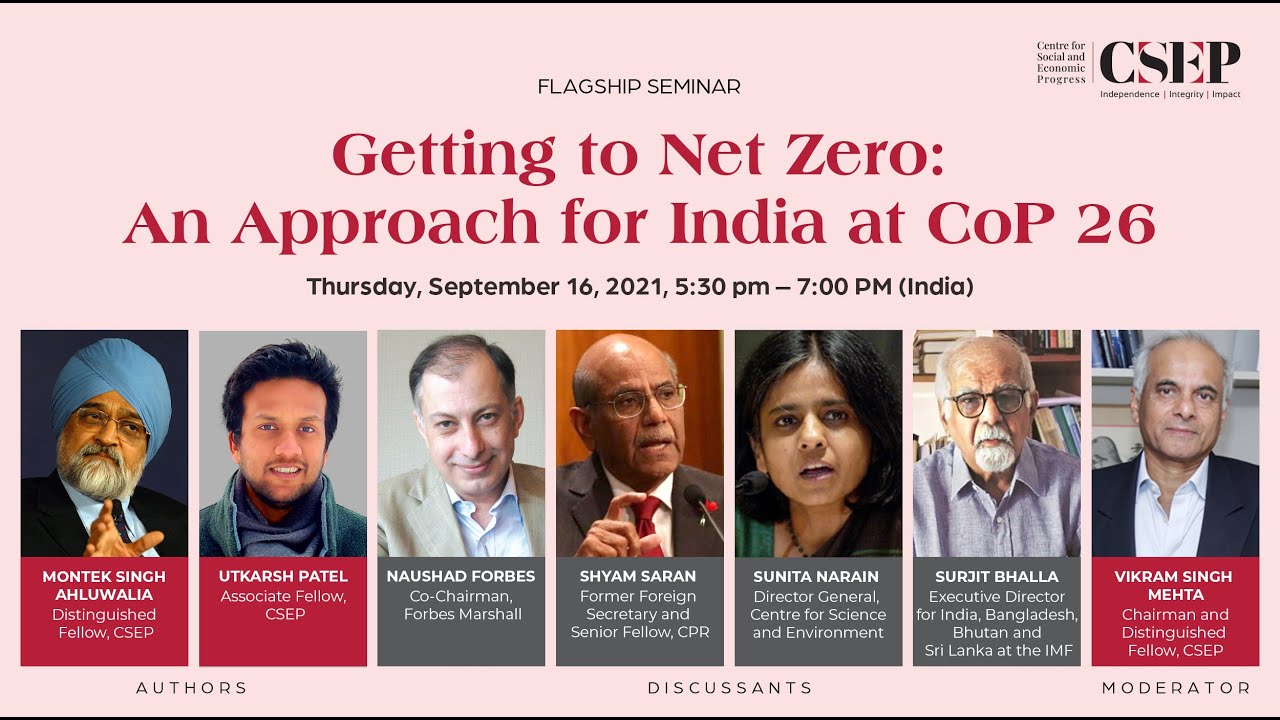
Ahead of COP 26, our working paper outlined negotiating strategies for India to adopt at COP 26 and argued that it was time for India to change its position on not committing to any emission reduction targets. The paper made a case for 2065-2070 as the target India could offer at COP 26, which also became the Net Zero date that India pledged at Glasgow. The paper was also extensively quoted by various publications.
On Net Zero targets, we analysed the need for countries to articulate their trajectories for achieving their respective targets. Our researchers have argued that net zero targets are not enough and that total carbon emissions matter more than the net zero targets and countries must flatten their curve. Our work also brings to the fore issues of equity across countries and financing climate mitigation efforts.
CSEP also became a part of the International Monetary Fund (IMF) Task Force on Climate and Development to advance a development-centered approach to climate policy at IMF.
As part of India’s ‘Act East’ and ‘Neighbourhood First’ policies, several regional connectivity initiatives have been taken in South Asia that warrant a reassessment of the role that ICPs (Intergrated Check Posts) would play in trade facilitation and movement of people.
The Foreign Policy and Security vertical conducts policy-relevant research on India’s role in a changing regional and global order. Our experts focus on strategic challenges such as regional connectivity in South Asia and the Indian Ocean region, the rise of China and its influence on the neighbourhood, and military modernisation
Our research also examines the political, security and economic drivers of India’s deepening partnerships in the Indo-Pacific (particularly the Bay of Bengal and Southeast Asia) and Europe. CSEP is expanding its research agenda to also examine the obstacles and opportunities in India's geo-economic engagements with Asia.
We continue to strengthen our work on regional connectivity, with a significant new paper that utilises new data, fieldwork and stakeholder interviews to offer a deep-dive analysis of India’s Integrated Check Posts, their formation, and their role in facilitating connectivity in South Asia. Our papers on South Asia’s borders and frontiers, its fault lines, and the internal drivers of China’s external policies combine historical insights, background and deep analysis to offer an essential overview of these issues.
Our Sambandh Scholars Speak series featured 14 interviews with scholars and experts with a focus on regional studies and cross-border connectivity in South Asia.
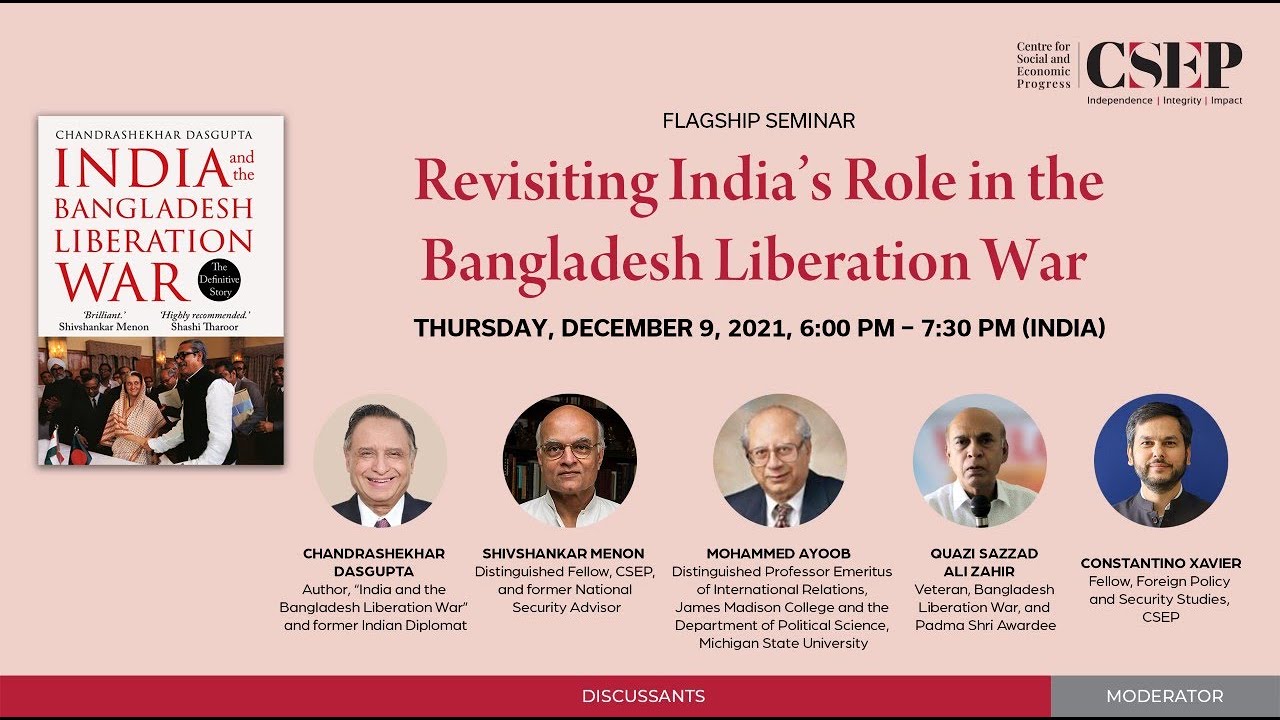
As part of the outreach and engagement strategy, the FPS vertical regularly hosts events to discuss issues of strategic importance. In 2021, we hosted six events including two Flagship Seminars on important books on India-US relations and India and Asian Geopolitics. In these events, experts engage on various strategic challenges of regional connectivity in South Asia, managing the rise of China in the region, and India’s deepening partnerships in the Indo-Pacific.
Our scholars regularly hold briefings, private meetings and lectures in important national, regional and international governmental bodies and policy organisations. Our new area of focus is on China’s Political Influence: Global Experiences and the Case of Democratic South Asia that aims to build on the limited knowledge about China’s rising non-economic influence in India and other South Asian countries, including in Nepal, Sri Lanka, and Bangladesh. Our forthcoming project on Bay of Bengal Connectivity is a CSEP short-range project that seeks to identify research-based, actionable policy recommendations for India to revive its Act East policy.
Our series brings together policymakers, industry leaders, distinguished experts and academics to discuss and debate major issues such as the path towards Net Zero emissions and decarbonisation, the gaps in India’s fiscal architecture and public finances, and India’s position in a changing world order, whether it is Asian geopolitics or India-US relations.
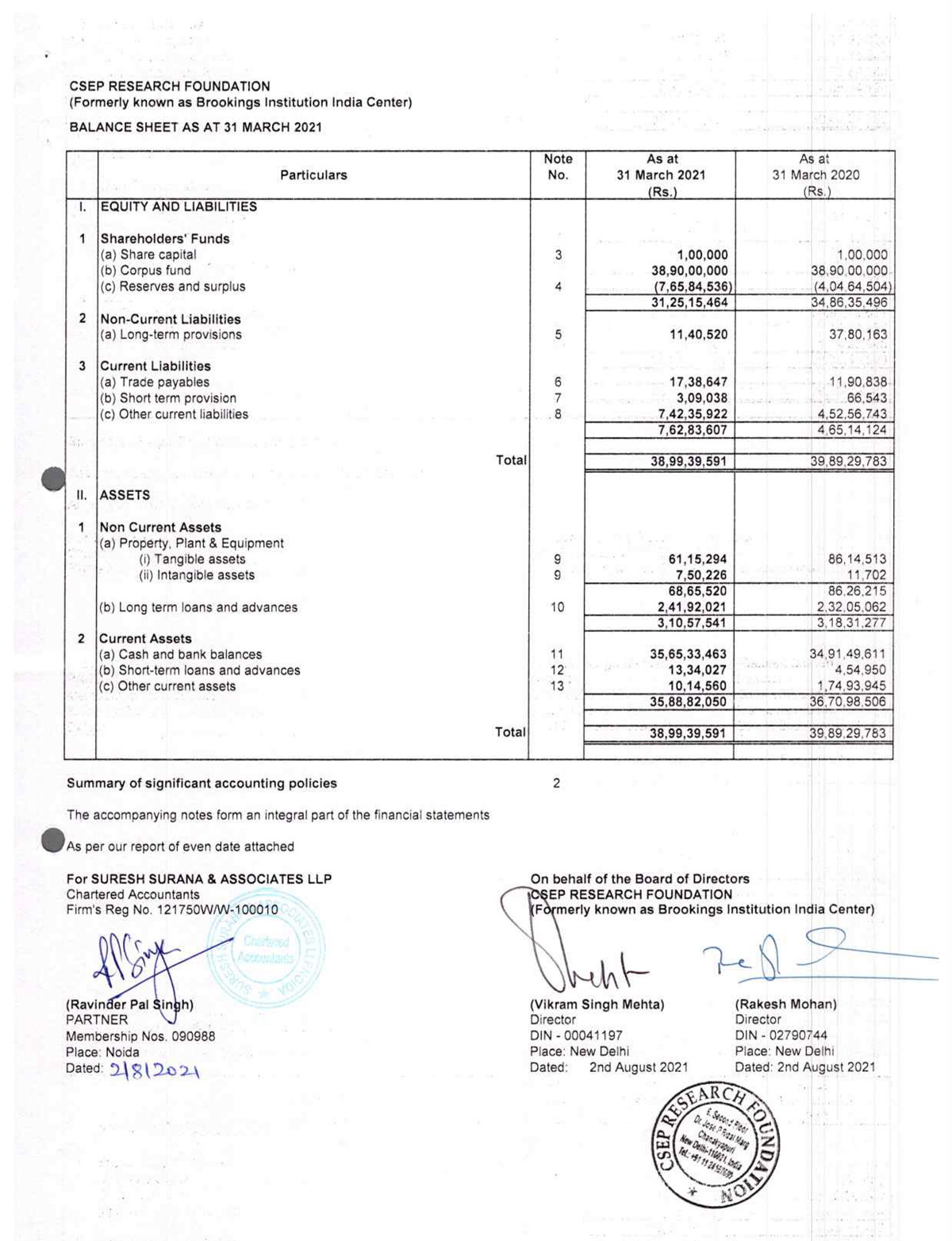
Generous philanthropy of our donors has been the engine that has supported our work since 2013. This has sustained the institution’s commitment to independence, integrity and impact and makes possible its experts’ efforts to provide practical, effective solutions to the major policy challenges facing India and the world today.
The CSEP team comprises of people who are passionate about making an impact through their work. In the past year, we have endeavoured to strengthen our faculty at all levels and have also expanded our research work. We continue to look out for bright and passionate researchers at all levels who are interested in policy relevant research on topics.
CSEP has led dialogues on economic growth, energy sustainability, climate change and foreign policy with focus on India’s interaction with the world. Explore our work to get a glimpse of our research, impact, policy initiatives and engagements.
The Centre for Social and Economic Progress (CSEP) is an independent, public policy think tank with a mandate to conduct research and analysis on critical issues facing India and the world and help shape policies that advance sustainable growth and development.
Our office is located at 6, Dr Jose P Rizal Marg, Chanakyapuri, New Delhi, 110021, India.

The Centre for Social and Economic Progress (CSEP) is an independent, public policy think tank with a mandate to conduct research and analysis on critical issues facing India and the world and help shape policies that advance sustainable growth and development.