

India and the Geopolitics of Critical Minerals
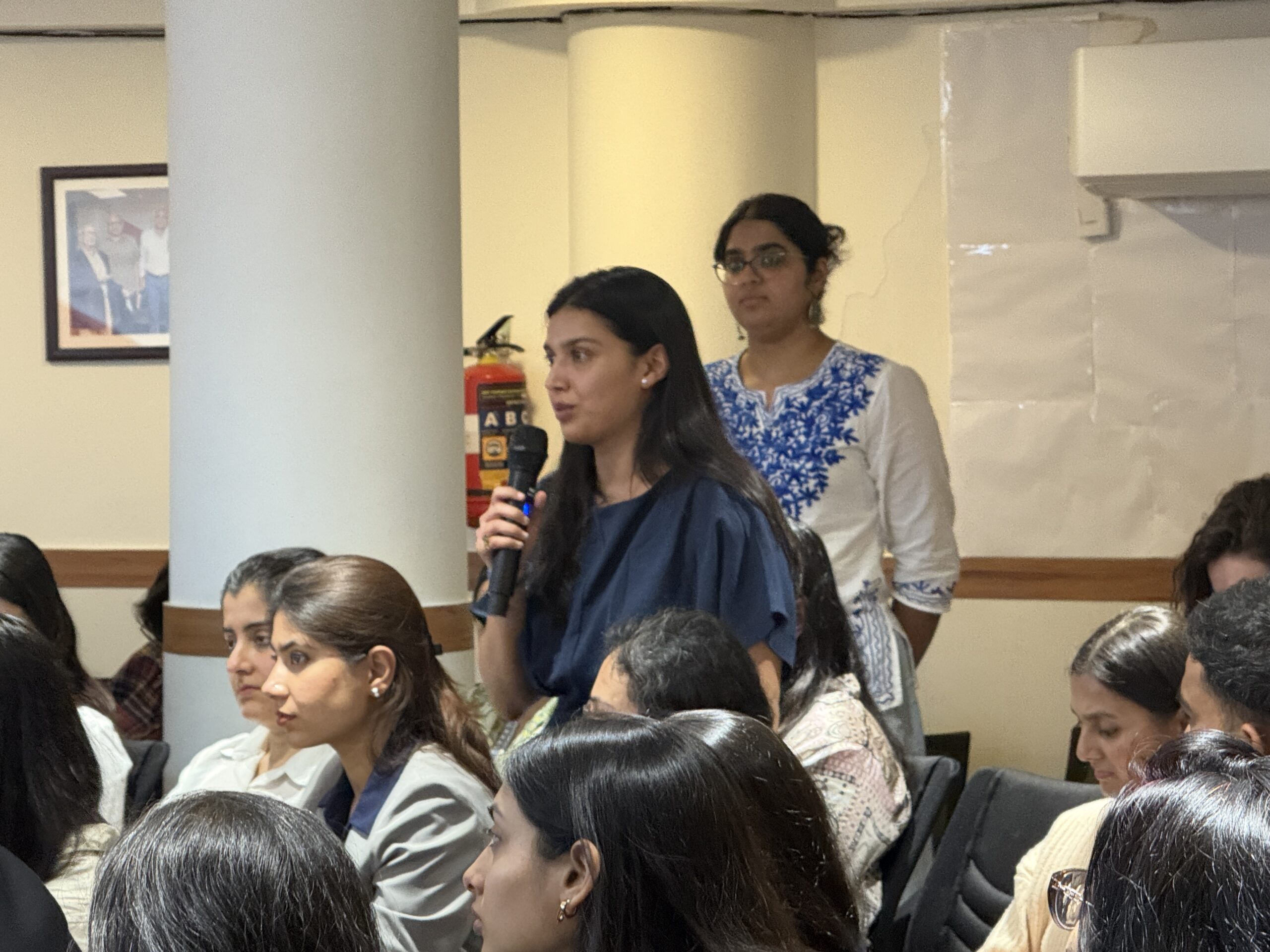
The Centre for Social and Economic Progress (CSEP) hosted a seminar titled “India and the Geopolitics of Critical Minerals” on Tuesday, February 24, 2026.
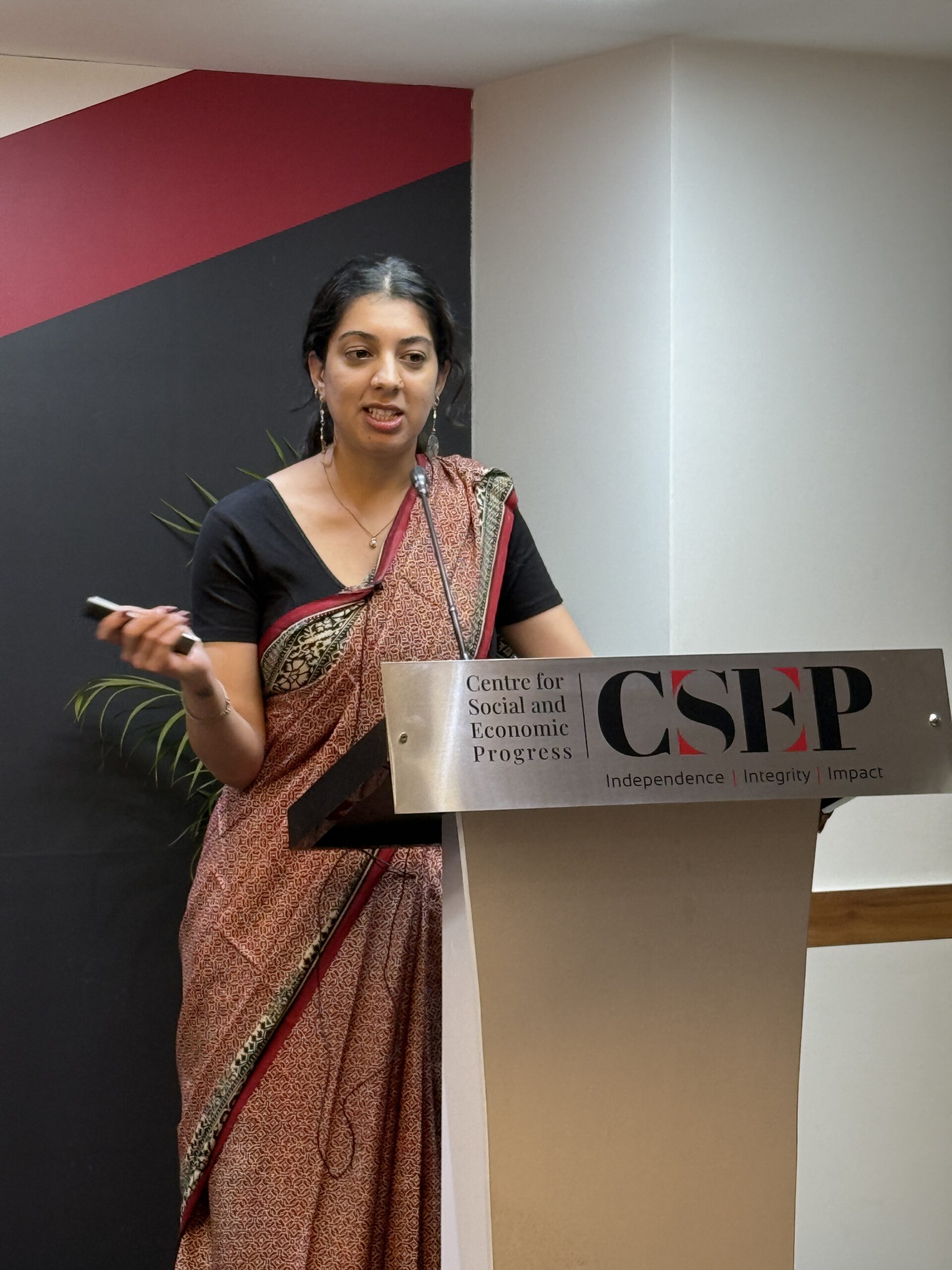
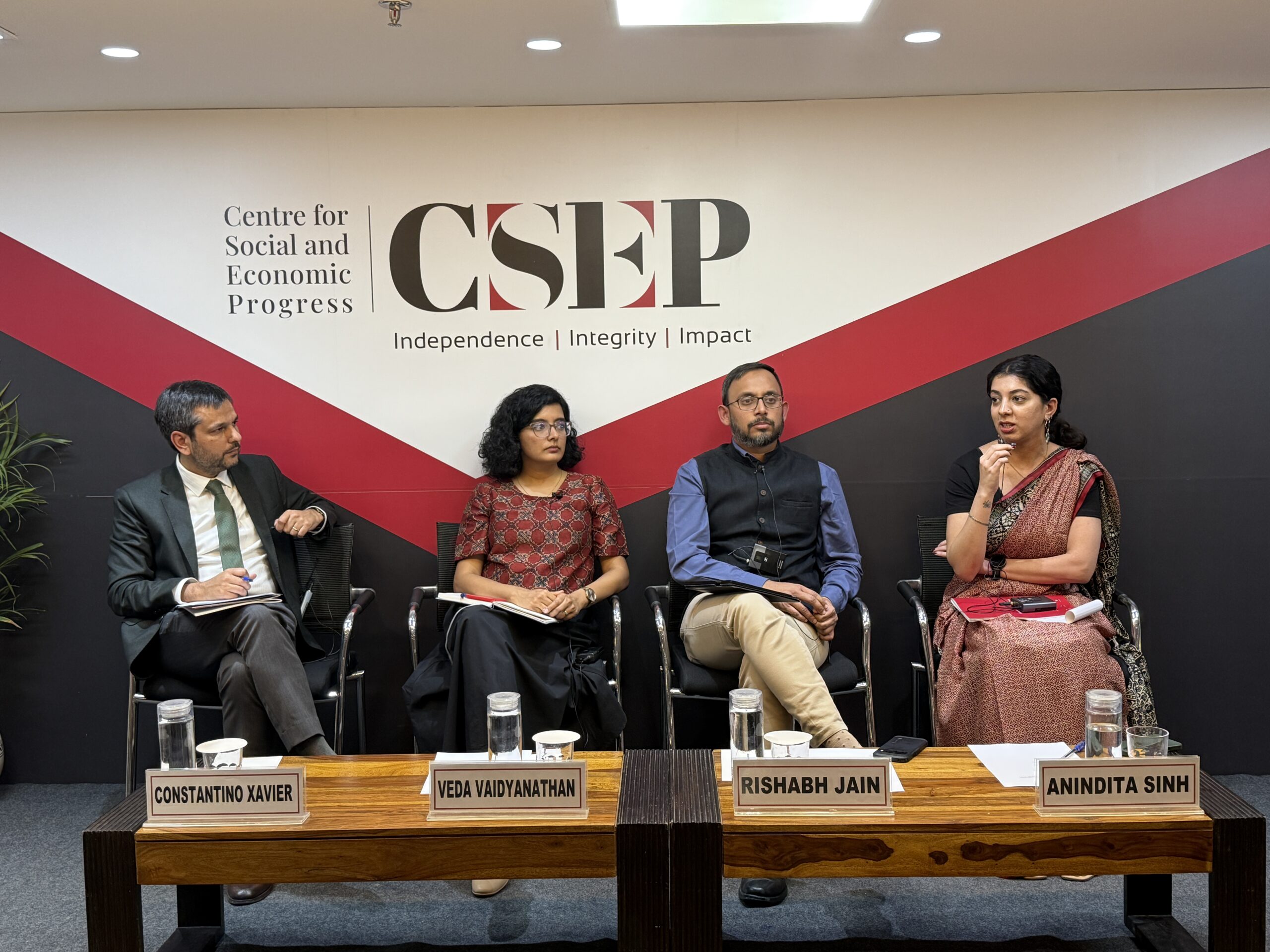
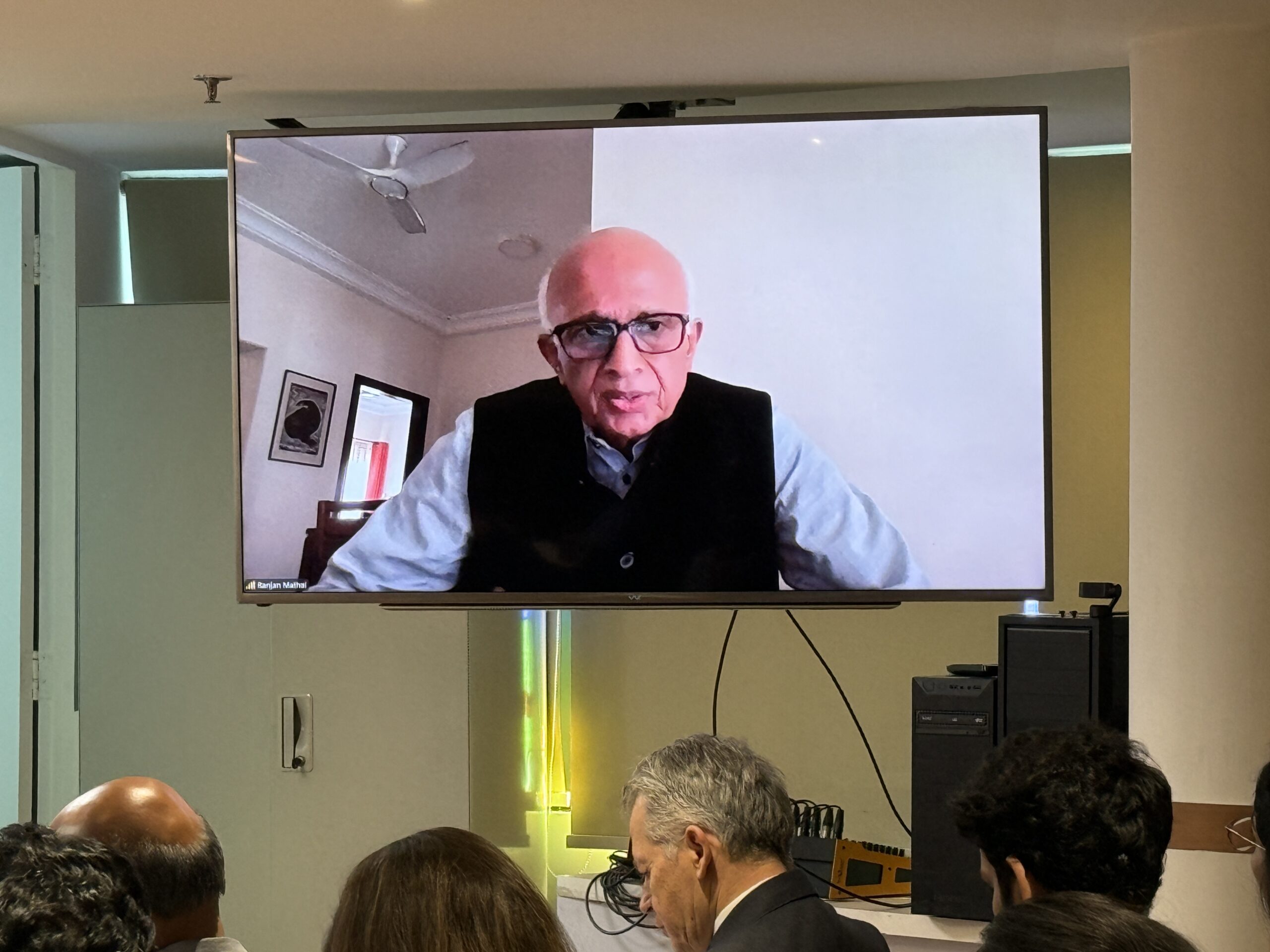
The seminar featured a presentation by Anindita Sinh, Research Associate, CSEP. This was followed by a discussion with Ranjan Mathai, Former Foreign Secretary, Ministry of External Affairs, Rishabh Jain, Fellow, Council on Energy, Environment and Water (CEEW) and Veda Vaidyanathan, Fellow, CSEP. The session was moderated by Constantino Xavier, Senior Fellow, CSEP.
About the event
In today’s global scramble for critical minerals, supply chains are no longer just commercial. They are increasingly contested, securitised and weaponised. From export controls and resource nationalism to intensifying competition over processing capacity, the world is moving toward a new era of mineral geopolitics where control over minerals and the technologies they enable will shape power, prosperity, and security.
The new Pax Silica initiative by the United States, the G7’s push for diversified critical mineral supply chains, and growing concerns about China’s dominance are forcing India to make difficult choices to sustain its green growth objectives. How should India position itself in this fluid and fast-paced international economic order? What international partnerships should New Delhi invest in, from bilateral to multilateral, to enhance its economic security and self-reliance?
This seminar featured an expert panel discussion on these questions and on key findings and recommendations of the CSEP paper “Partnerships for Self-Reliance: Internationalising India’s Critical Minerals Sector” by Anindita Sinh and Constantino Xavier.
Presenter
Anindita Sinh
Anindita Sinh is a Research Associate in the Foreign Policy and Security Studies team, where she works on India’s minerals diplomacy and climate cooperation. She holds a Master’s degree in International Relations and Area Studies from Jawaharlal Nehru University, New Delhi, and a B.A. (Hons.) in Liberal Arts from Symbiosis International University, Pune. She previously interned with CSEP and the United Service Institution of India.
Discussants
Ranjan Mathai
Ranjan Mathai is a retired Indian diplomat and former Foreign Secretary of India (2011–2013). A career officer of the Indian Foreign Service, his diplomatic tenure spanned over three decades, including ambassadorial assignments to France, Israel, and Qatar, as well as serving as High Commissioner to the United Kingdom. He has held key postings across Europe, West Asia, and North America, with deep experience in multilateral diplomacy and strategic partnerships. He remains actively engaged in foreign policy discourse, writing and speaking on energy security, geopolitics, and India’s role in an evolving global order.
Rishabh Jain
Rishabh Jain leads the Technology Futures programme at The Council on Energy, Environment and Water (CEEW). His expertise revolves around critical minerals and renewable energy deployment, supply chain, and manufacturing. His core strength lies at the intersection of technology and sustainability with a focus on advancing the scale-up of renewable energy (RE) projects whilst collaborating with company CEOs, senior government bureaucrats, and leading stakeholders. He has also been supporting various Indian Ministries for the G20 Energy Transition Working Group.
Rishabh completed his bachelor’s in mechanical engineering from Birla Institute of Technology, Mesra, and a Master’s in Public Policy from Lee Kuan Yew School of Public Policy at the National University of Singapore (NUS). At NUS, he was the recipient of the prestigious Li Ka-Shing scholarship. In the past, he has worked with leading solar module manufacturers, startups, and industry associations.
Veda Vaidyanathan
Veda Vaidyanathan is a Fellow in Foreign Policy and Security Studies at CSEP. She examines Asian engagement in Africa from the grassroots, across multiple sectors and countries. These include financial services, mining, agriculture, infrastructure, and manufacturing in Zimbabwe, Zambia, Tanzania, Kenya, Ethiopia, and Ghana. Veda is also affiliated to the Institute of Chinese Studies and the Harvard University Asia Centre. She was a 2022-23 Fung Global Fellow at the Princeton Institute for International and Regional Studies at Princeton University.
Moderator
Constantino Xavier
Constantino Xavier is a Senior Fellow in Foreign Policy and Security Studies at CSEP, where he leads the Sambandh Initiative on Regional Connectivity. He is also a Non-Resident Fellow in the Foreign Policy program at the Brookings Institution, in Washington DC. He is also a Visiting Professor at Ashoka University, Sonipat. His research focuses on India’s changing role as a regional power, and the challenges of security, connectivity, and democracy across South Asia and the Indian Ocean.
All content reflects the individual views of the speakers. The Centre for Social and Economic Progress (CSEP) does not hold an institutional view on any subject.
Please contact Gurmeet Kaur at GKaur@csep.org for general queries and Ayesha Manocha at AManocha@csep.org for media queries.






The Centre for Social and Economic Progress (CSEP) is an independent, public policy think tank with a mandate to conduct research and analysis on critical issues facing India and the world and help shape policies that advance sustainable growth and development.