
MacroInsights: Gulf War Shock—How Resilient is the Economy?
Reading Time: 2 minutesMacroInsights, a Centre for Social and Economic Progress (CSEP) series, dissects key economic developments and policy issues of macroeconomic significance. It offers timely, evidence-based analysis to inform public debate and policymaking.
Weak fiscal, external, and household sectors portend hard trade-offs and growth sacrifice.
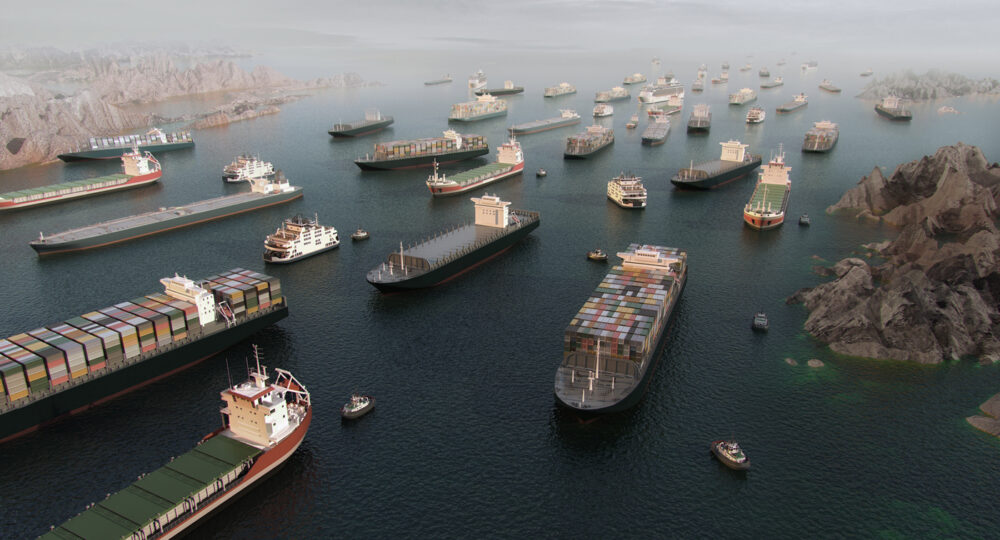
Two months in, the Gulf conflict remains unresolved, and the Strait of Hormuz closed. Economic pain is spreading. Oil prices are increasingly likely to exceed the US$85/barrel assumption underlying the RBI’s FY27 projections. Industrial output is contracting, and exports are weakening with consequent job losses, while imported inputs—fuels, fertilisers, raw materials, intermediate goods—are costlier. March saw no visible inflation or demand destruction. But pipeline pressures have been building—imported crude oil was 65% costlier in March–April than in February, with domestic retail prices and LPG unchanged, unlike most other countries. The calm is deceptive.
Fiscal space is limited. The central government deficit is 4.5% of GDP for FY27 (rebased); the combined national deficit is ∼7.5%. General government debt stands at 83.4% of GDP—well above the ex-China EME average of 58.5% and the China+ average of 77%. There is limited room to absorb the energy shock through subsidies or price caps without cutting expenditure (likely capex?) and sacrificing growth—the government has already hinted it will absorb higher fertiliser costs. The 68% one-stroke hike in commercial LPG already signals that oil companies’ balance sheets are at the limit. Similar pass-through on retail fuels may soon be compelled; further duty cuts would erode revenues, while excessive fiscal overshoot risks interest rate and confidence pressures.
The household sector entered this shock already weakened. Successive years of inflation, especially foods, and multiple negative shocks eroded real incomes, financial positions, net savings, and consumer expenditure sufficiently to prompt fiscal stimulation—income tax relief and GST cuts—last year. Low-income consumers are already absorbing costlier LPG, squeezing demand and upward wage pressures. A fresh inflation surge will destroy demand even as supply damages reduce employment across segments.
Corporates are the one buffer, but a thinning one. Private nonfinancial firms are in surplus, holding ~Rs 11 trillion cash. Profits rose secularly from 2019–20 to 4.0–4.6% of GDP in FY22–25. Earnings slowed last year, and more compression is expected in FY27 from costlier inputs and softer demand.
The external sector was already strained. Capital-account and currency weaknesses predate this crisis, driven by sustained foreign capital outflow, short-term and direct investment. Pricier imports, weaker exports and accelerating capital flight compound vulnerability and an adverse currency depreciation-inflation loop, notwithstanding large forex reserves.
Monetary policy faces a narrowing window. The RBI could afford to hold rates in April, with inflation below target and fiscal cushioning of higher oil prices. But bond and currency markets have already moved, pricing in higher inflation and fiscal risks. Once the fiscal shield is withdrawn and private costs pass through to consumers, which is imminent, the benign configuration collapses, forcing tightening.
Bottom line: The economy has limited capacity to absorb costs, sustain consumption, and limit output damage simultaneously. India’s resilience has rested on strong growth; this price-cum-supply shock hits that very foundation, uncovering the fragilities beneath. Policy space to protect demand is narrow. The median professional forecast for FY27 GDP growth was 6.9% in April. It is likely too optimistic.

Renu Kohli


Find on this page

The Centre for Social and Economic Progress (CSEP) is an independent, public policy think tank with a mandate to conduct research and analysis on critical issues facing India and the world and help shape policies that advance sustainable growth and development.