

Pathways for India-China Climate Cooperation
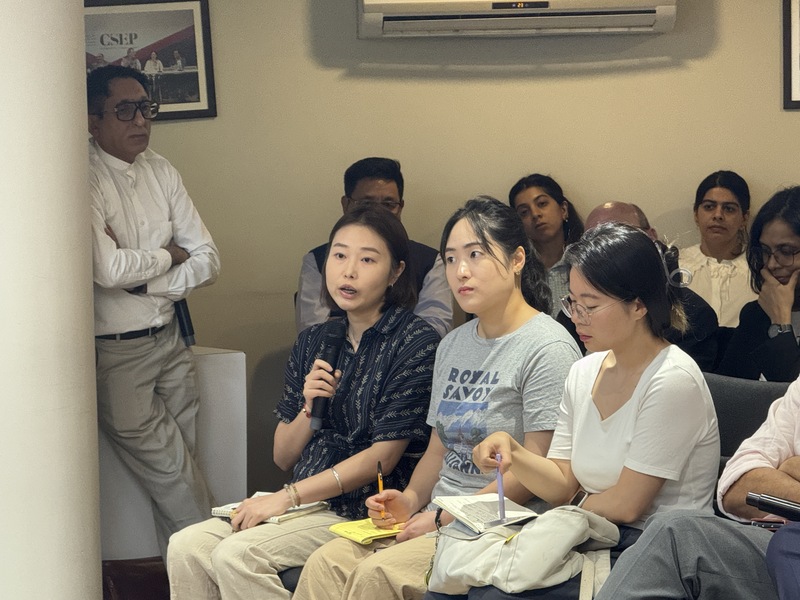
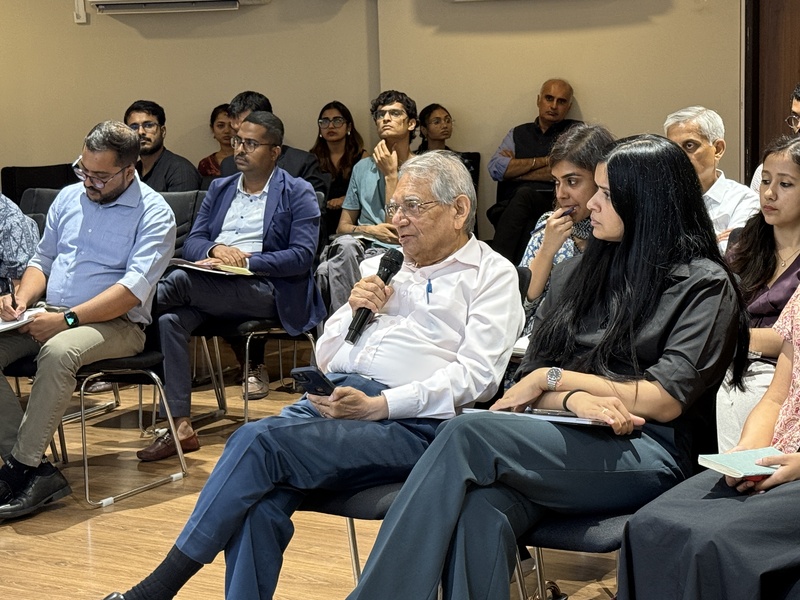
The Centre for Social and Economic Progress (CSEP) hosted a seminar titled ‘Pathways for India-China Climate Cooperation’, on Thursday, May 22, 2025. The event marked the launch of a collaborative research project between CSEP and the Institute of South Asian Studies – National University of Singapore (ISAS-NUS).
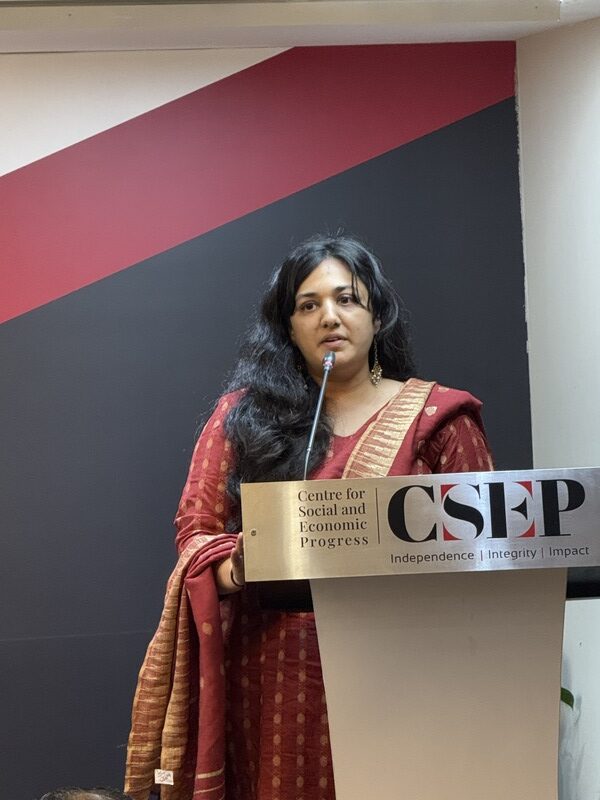
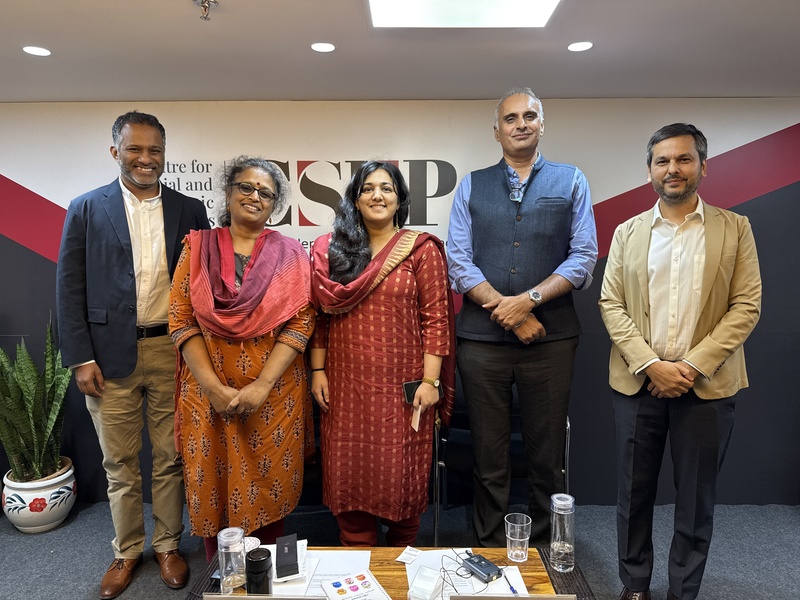
The seminar featured a research presentation by Pooja Ramamurthi, Fellow, CSEP, followed by a panel discussion with Ashok Kantha, Former Ambassador of India to China; Nimmi Kurian, Professor, Centre for Policy Research; and Annika Seiler, Principal Energy Specialist, Asian Development Bank. The seminar began with opening remarks by Iqbal Singh Sevea, Director, ISAS-NUS and concluded with remarks on the way forward by Constantino Xavier, Senior Fellow, CSEP and Karthik Nachiappan, Non-Resident Fellow, CSEP and Research Fellow, ISAS-NUS.
About the event
The collaborative project between CSEP and ISAS-NUS investigates how India should engage with China to advance its own climate and energy interests while mapping the modalities and implications of cooperation amid competition. China’s rise as the dominant purveyor and producer of green technologies and critical minerals has put India in a conundrum of having to simultaneously compete and cooperate with China to advance its climate transition and development goals. It is therefore important for India to craft a strategic framework for its climate and energy engagement with China in the future.
The panel considered how India should diplomatically engage China to advance climate and energy objectives, and what these strategies for engagement may look like. Further, speakers highlighted the risks and opportunities for India to engage in areas such as critical minerals supply chains, renewable energy technologies, trade agreements and climate resilience of shared natural resources. The panel also sought to understand lessons on how other countries are engaging with China on climate issues, given core interests. This discussion is particularly important as India seeks to meet its domestic climate and energy security goals and strengthen its presence as a credible and proactive global climate actor.
Opening Remarks
Iqbal Singh Sevea
Iqbal Singh Sevea is the Director of the Institute of South Asian Studies (ISAS) at the National University of Singapore (NUS). His core research focuses on South Asian politics, social and political thought, governance and Islamic thought and is the author of multiple books on these subjects. He holds a DPhil in History from the University of Oxford.
Presenter
Pooja Ramamurthi
Pooja Ramamurthi is a Fellow in the Foreign Policy and Security Studies vertical at CSEP. She studies climate and energy transition policy, particularly focusing on the role that India can play in accelerating domestic and international action towards decarbonisation. Her work has always been multidisciplinary, where she looks at techno-economic, social and political dimensions of sustainability. She has a PhD in Science, Technology and Environmental Policy from the School of Public and International Affairs, Princeton University.
Discussants
Ashok Kantha
Ashok Kantha is a former Indian Ambassador to People’s Republic of China, Sri Lanka and Malaysia. He is also Honorary Fellow and former Director, Institute of Chinese Studies; Distinguished Fellow at Vivekanand India Foundation and Chair, Core Group on China, CII.
Nimmi Kurian
Nimmi Kurian is a Professor at the Centre for Policy Research. Her research focusses in particular on the border regions between South Asia and Southeast Asia, India’s neighbourhood policy, federalism and foreign policy, transboundary water politics and comparative regionalism. She has held Fellowships from the India China Institute, The New School, New York and the Charles Wallace India Trust. She holds an MA, MPhil and PhD in International Relations from the Jawaharlal Nehru University.
Annika Seiler
Annika Seiler is a Principal Energy Specialist at the Asian Development Bank. She leads ADB’s work on critical minerals and manufacturing supply chains with experience of working in China. She is the lead author on a recent report on energy transitions titled ‘Energy Transition Readiness Assessment for Developing Asia and the Pacific.’ She has an MA in Economics from Freie Universität, Berlin.
Way Forward
Constantino Xavier
Constantino Xavier is a Senior Fellow in Foreign Policy and Security Studies at CSEP, where he leads the Sambandh Initiative on Regional Connectivity. He is also a Non-Resident Fellow in the Foreign Policy program at the Brookings Institution, in Washington DC. His research focuses on India’s changing role as a regional power, and the challenges of security, connectivity, and democracy across South Asia and the Indian Ocean.
Karthik Nachiappan
Karthik Nachiappan is a Research Fellow at the Institute of South Asian Studies, National University of Singapore. He is also a Non-Resident Fellow at CSEP. His research focuses on India’s Geoeconomics, how issues like trade, technology, and climate change affect Indian foreign policy. He is the author of Does India Negotiate? (Oxford University Press, 2020).
All content reflects the individual views of the speakers. The Centre for Social and Economic Progress (CSEP) does not hold an institutional view on any subject.
Please contact Gurmeet Kaur at GKaur@csep.org for general queries and Ayesha Manocha at AManocha@csep.org for media queries.



The Centre for Social and Economic Progress (CSEP) is an independent, public policy think tank with a mandate to conduct research and analysis on critical issues facing India and the world and help shape policies that advance sustainable growth and development.