
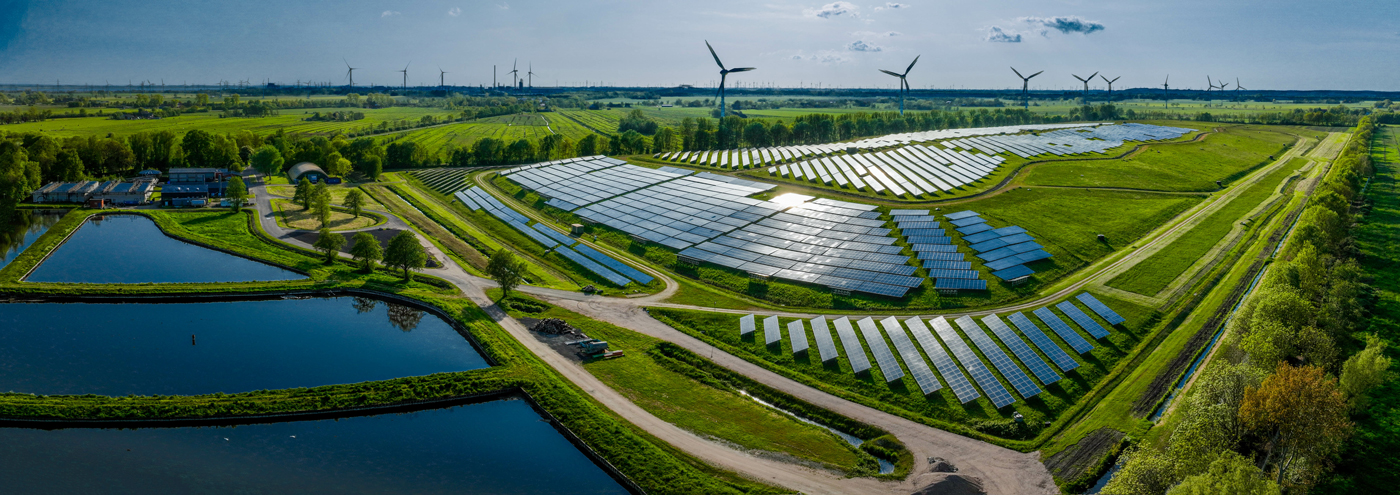
Catalysing India-China Climate and Clean Energy Partnerships: Experiences from Southeast Asia
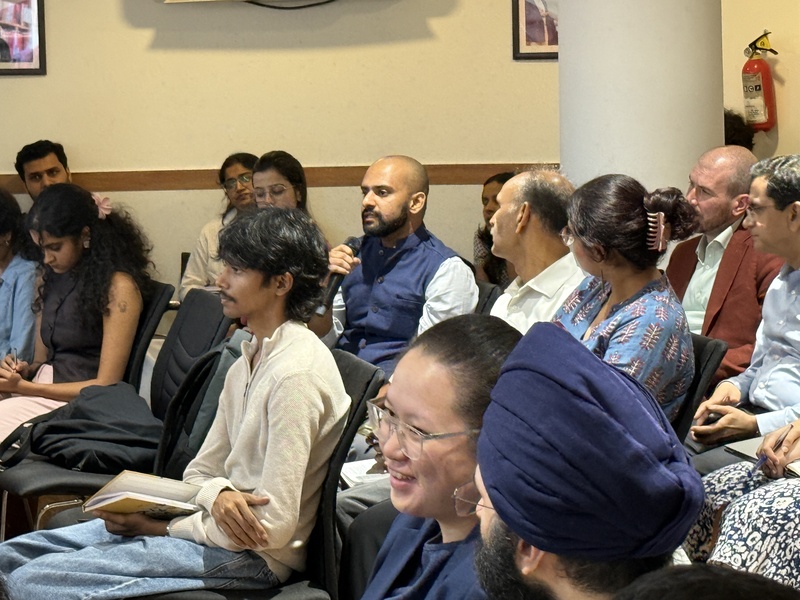
The Centre for Social and Economic Progress (CSEP), in association with the Institute of South Asian Studies (ISAS), National University of Singapore (NUS), hosted a seminar titled “Catalysing India-China Climate and Clean Energy Partnerships: Experiences from Southeast Asia” on Wednesday, September 23, 2026.
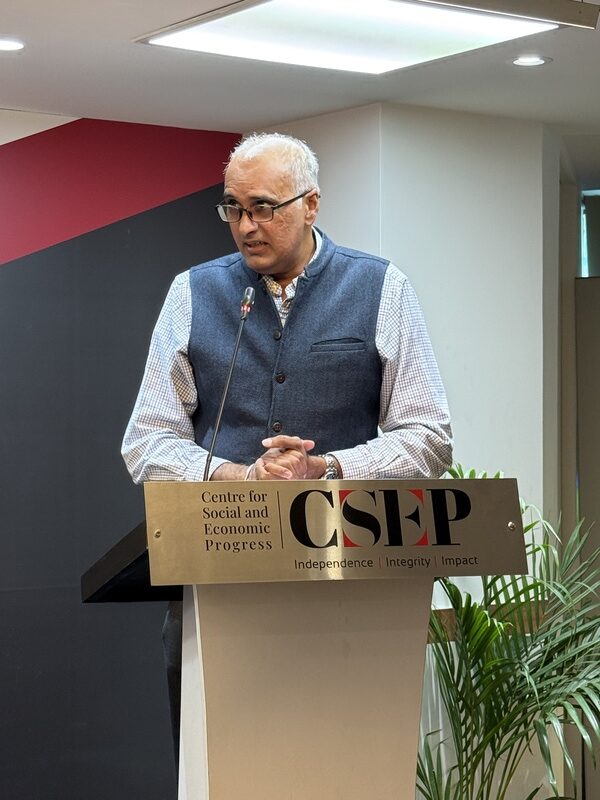
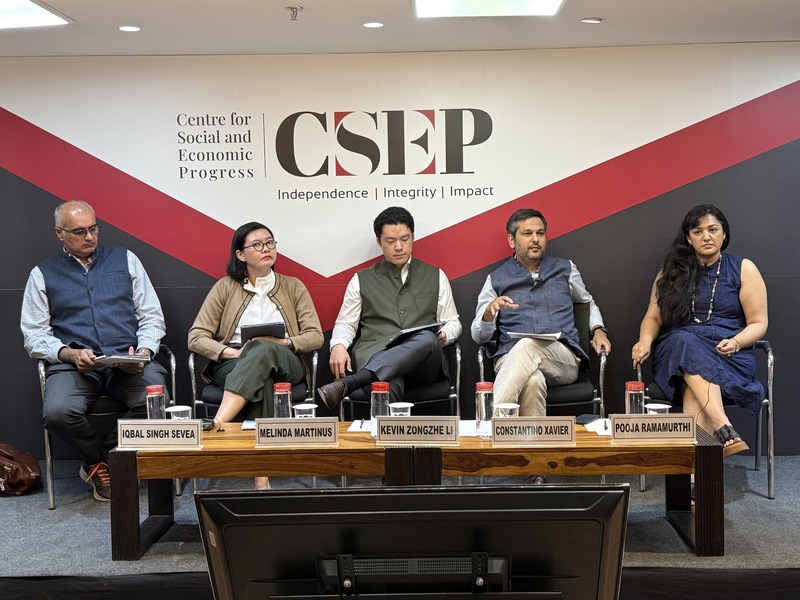
The event commenced with opening remarks by Iqbal Singh Sevea, Associate Professor and Director, ISAS, NUS.
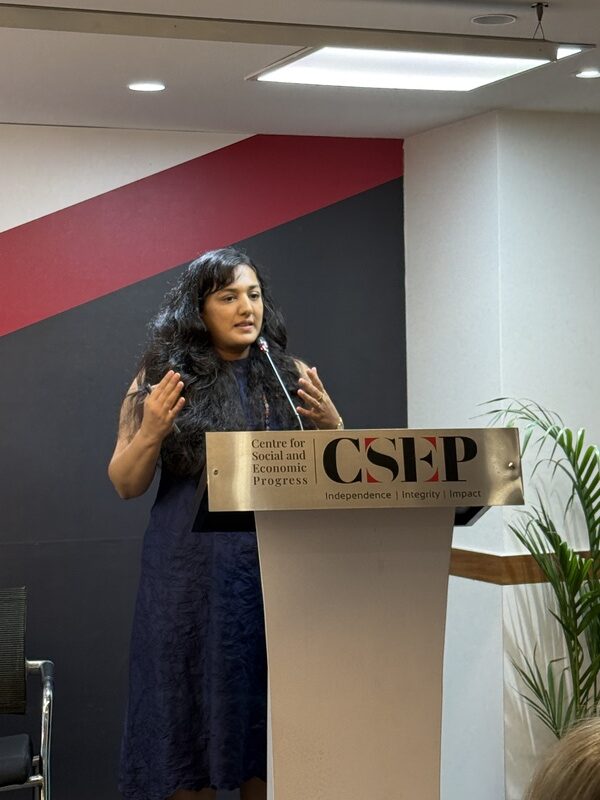
This was followed by a presentation by Pooja Ramamurthi, Fellow, CSEP and a panel discussion with Melinda Martinus, Fellow, Institute of Southeast Asian Studies (ISEAS)-Yusof Ishak Institute; Kevin Zongzhe Li, Fellow, Asia Society Policy Institute’s (ASPI) Centre for China Analysis; and Karthik Nachiappan, Non-Resident Senior Fellow, ISAS, NUS. The discussion was moderated by Constantino Xavier, Senior Fellow, CSEP.
About the event
As India and China move towards political normalisation, climate and clean energy can provide avenues for pragmatic and strategic re-engagement. This will require a framework for India to understand the risks and opportunities of Chinese climate engagement that both preserves India’s domestic interests and helps fulfil its climate ambitions.
A key aspect of framing India’s climate engagement strategy with China will be understanding experiences from countries that have managed stronger integration with Chinese green financial and technical flows. In this regard, Southeast Asia is notable. Through cooperation at the regional, national and sub-national levels and across government and non-government channels, Southeast Asian countries have leveraged China for their clean energy transition while safeguarding national sovereignty, and balancing political tensions as they make strides towards de-risked and diversified supply chains.
Therefore, building on the ongoing partnership between the Institute of South Asian Studies (ISAS), National University of Singapore, and the Centre for Social and Economic Progress (CSEP), this seminar examined how Southeast Asian countries’ experiences can provide valuable insights for Indian and international policymakers and stakeholders. The discussion provided insights to bridge a vital policy gap by identifying actionable, practical, and evidence-based recommendations. The discussion focused on three key questions:
- What lessons can India draw from the experiences of Southeast Asian countries in engaging China across critical clean-energy sectors? Which elements of these countries’ engagement models are most transferable to the Indian context, given India’s strategic, institutional, and economic realities?
- How can Indian private-sector stakeholders navigate their engagement with their Chinese counterparts? What lessons can Indian firms draw from Southeast Asia regarding financing, technology partnerships, localisation, and market access when engaging with Chinese actors?
- What will be the broader implications of India-China climate and clean energy engagement for Southeast Asia? Will regional platforms be a good way for these two countries to coordinate?
Opening Remarks
Iqbal Singh Sevea
Iqbal Singh Sevea is Director of the Institute of South Asian Studies (ISAS) at the National University of Singapore (NUS). He is an internationally recognised scholar of contemporary and modern South Asia whose core research focuses on South Asian politics, social and political thought, governance and Islamic thought. He holds a DPhil in History from the University of Oxford. He graduated with a bachelor’s degree in history from NUS and a master’s degree from the School of Oriental and African Studies, University of London.
Presenter
Pooja Vijay Ramamurthi
Pooja Vijay Ramamurthi is a Fellow at CSEP. She has a PhD in Science, Technology and Environmental Policy at the School of Public and International Affairs (STEP) at Princeton University. She studies climate and energy transition policy, particularly focusing on the role that India can play in accelerating domestic and international action towards decarbonisation.
Panellists
Melinda Martinus
Melinda Martinus is a Fellow at the ASEAN Studies Centre, ISEAS – Yusof Ishak Institute. She is the Production Editor of the Centre’s blog, ASEANFocus+ at Fulcrum.sg, and a member of the editorial team for the institute’s flagship annual publication, the State of Southeast Asia Survey. Prior to joining ISEAS, she was Programme Manager at the Kota Kita Foundation in Indonesia and a researcher at the Center for Metropolitan Studies (Centropolis) at Tarumanagara University in Jakarta. Melinda holds a bachelor’s degree in Urban Planning from Tarumanagara University in Jakarta and a master’s degree in Urban Planning from Columbia University in New York.
Kevin Zongzhe Li
Kevin Zongzhe Li is a Fellow at the Asia Society Policy Institute’s Center for China Analysis, where he leads the Center’s research and engagement on China–Southeast Asia relations. His work covers the political economy of Asia’s energy transition, clean energy supply chains and industrial policy, and the strategies of middle powers under great-power competition, with a particular focus on Indonesia. He is the author of the Center’s papers Indonesia’s Energy Transition: Exercising Strategic Agency in Partnership with China (2025) and Global Public Opinion on China: China’s Standing in Southeast Asia’s Swing States (2026). He writes regularly for The Diplomat, Fulcrum, The Jakarta Post, East Asia Forum, and China-US Focus, and comments frequently in regional media. Li holds a BS in Environmental and Sustainability Sciences from Cornell University and an MPP from the Harvard Kennedy School. He is fluent in Mandarin and English and conversant in Bahasa Indonesia.
Karthik Nachiappan
Karthik Nachiappan is a Non-Resident Research Fellow at the Institute of South Asian Studies, National University of Singapore. His research focuses on India’s Geoeconomics, how issues like trade, technology, and climate change affect Indian foreign policy. He is the author of Does India Negotiate? (Oxford University Press, 2020).
Moderator
Constantino Xavier
Constantino Xavier is a Senior Fellow at the Centre for Social and Economic Progress (CSEP), New Delhi, where he directs the program in Foreign Policy and Security Studies. He is also a non-resident fellow in the Foreign Policy program at the Brookings Institution, in Washington DC, and visiting professor at Ashoka University’s Department of International Relations.
All content reflects the individual views of the speakers. The Centre for Social and Economic Progress (CSEP) does not hold an institutional view on any subject.
Please contact Gurmeet Kaur at GKaur@csep.org for general queries and Ayesha Manocha at AManocha@csep.org for media queries.



The Centre for Social and Economic Progress (CSEP) is an independent, public policy think tank with a mandate to conduct research and analysis on critical issues facing India and the world and help shape policies that advance sustainable growth and development.